
SMRAAD Powers Gansu’s Remote Renewable Goals with 50kW Grid-Connected Wind Turbine
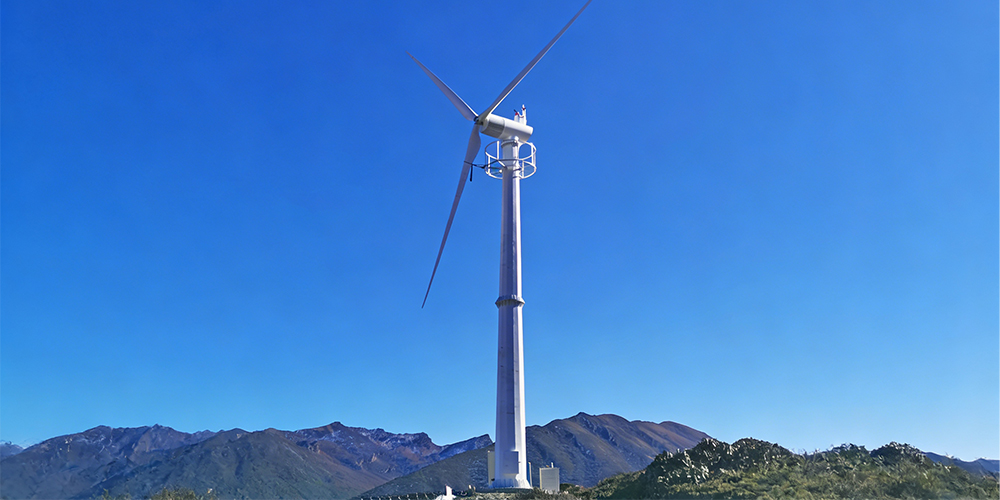
Nestled against the snow-dusted mountain ridges of Gansu Province, a sleek 50kW electronically controlled wind turbine now stands tall under a vivid blue sky—marking SMRAAD’s latest milestone in China’s northwest renewable energy landscape. Installed in late 2025, this grid-connected system is engineered to deliver reliable, clean power to remote local communities, while showcasing our expertise in adapting wind technology to high-altitude, variable wind conditions.
The photograph captures the turbine’s robust white tower and precision-engineered rotor blades, designed to optimize energy capture even in Gansu’s gusty, low-consistency wind patterns. What sets this project apart is its electronically controlled core: the system features real-time wind speed adjustment, grid synchronization technology, and remote monitoring capabilities, ensuring stable power output and seamless integration with the local electrical grid. This adaptability is critical for Gansu’s rugged terrain, where traditional turbines often struggle with voltage fluctuations and intermittent wind.
For the region, this installation represents more than just infrastructure—it is a step toward energy independence. The 50kW system is projected to generate ~120,000 kWh of clean electricity annually, enough to power 40 rural households and reduce local reliance on coal-fired generators. By feeding excess power back into the grid, it also supports Gansu’s broader goal of meeting China’s “Dual Carbon” targets, cutting approximately 90 metric tons of carbon emissions each year.
“Gansu’s vast wind resources have long been underutilized in remote areas,” said our on-site project lead. “This electronically controlled turbine solves the challenge of grid stability in mountainous regions, proving that tailored renewable solutions can bridge the energy gap for underserved communities.”
As SMRAAD expands its footprint in China’s northwest, this project underscores our commitment to combining technical innovation with local impact. By prioritizing grid compatibility and adaptive design, we are not only delivering clean energy—we are building a blueprint for sustainable development in some of China’s most challenging landscapes.


